
PV Inverter
Energy Storage System
EV Charger
Floating PV System
Wind Products
Hydrogen Equipment
Smart Energy Products


The Sungrow MGTL is a three-phase hybrid inverter designed for homes and small businesses with demanding backup needs. It coordinates rooftop solar, compatible battery storage and backup loads so an appropriately configured system can continue supplying selected circuits during grid outages.
Sungrow launched the series on 7 September 2026 at an event in Da Nang, Vietnam. The MG10~25TL range covers 10 kW to 25 kW of rated AC output; the first models to reach installers are the MG10TL, MG12TL and MG15TL. Each of these models supports up to three compatible battery sets, and two MGTL inverters can be connected in parallel for capacity growth. On the AC side the inverter runs at 400 V rated voltage with up to 98% maximum efficiency, and it accepts up to 1000 V of PV input.
The MGTL series is being rolled out across Southeast Asia, Africa, Latin America and beyond. Sungrow launched it under the tagline "Scale Up, Power On."
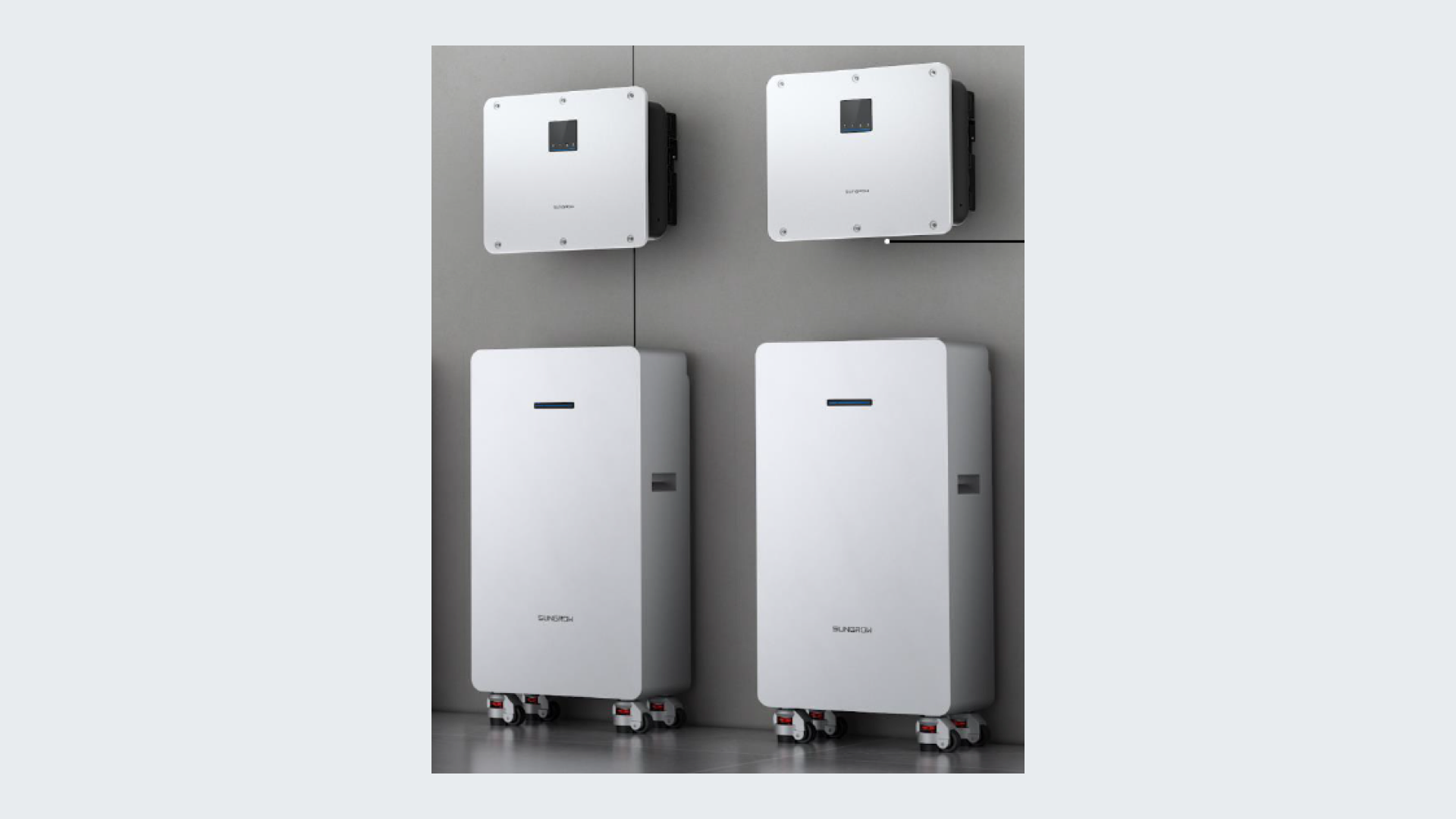
Figure 1. Sungrow MGTL hybrid inverter and battery system.
Why MGTL Fits Three-Phase Homes on Unstable Grids
An unstable grid can expose a property to unplanned outages, voltage sags and brownouts. For a three-phase home or small business, choosing backup power means checking the equipment that must keep running, the startup demand of motors and the load carried by each phase.
The consequences differ by property. In a three-phase villa, an outage takes out central air conditioning, water pumps, security systems and EV charging at once. In a street front restaurant, guesthouse or convenience store, it takes out refrigeration, lighting and the point-of-sale terminal, and every minute is lost revenue. On a remote island, the grid may be weak for most of the day rather than occasionally.
A conventional grid-tied PV system disconnects from the grid during an outage for anti islanding protection. MGTL adds a backup-capable hybrid inverter architecture: with compatible batteries, correctly wired backup circuits and suitable settings, it can supply essential loads independently of the grid.

Figure 2. Conceptual scene of a solar-plus-storage system keeping a
tropical home powered during an outage.
How MGTL Supports the Property Throughout the Day
Morning. MGTL routes available solar power to household or business loads. Battery use follows the configured operating mode and reserve settings; in an outage-prone property, retaining backup energy can take priority over using the battery for everyday savings.
Midday. When PV generation exceeds demand, MGTL can direct surplus energy into the battery. Its PV input and charging capability support replenishment between outages, while the actual charging time depends on solar conditions, battery capacity and the permitted charging current.
Evening. Stored energy can support lighting, refrigeration and other connected loads as solar production falls. MGTL reduces grid demand within the available battery energy and power limits; the selected backup reserve determines how much energy remains available for an outage.
Night. The system follows the selected schedule and reserve settings. Where local rules, tariffs and configuration allow grid charging, it can replenish storage before the next interruption.
During an outage at any time, MGTL supplies the connected backup circuits within the inverter and battery limits. For a villa that may mean cooling, lighting and security; for a shop it may mean refrigeration, payment systems and essential lighting.
Robust Backup, Life Always On
0ms On/off-grid Switching
MGTL specifies 0 ms on/off-grid switching to support continuity for connected backup loads. The published range information lists backup output current of up to 63A; the applicable model rating, battery power and backup circuit design determine what the installation can supply.
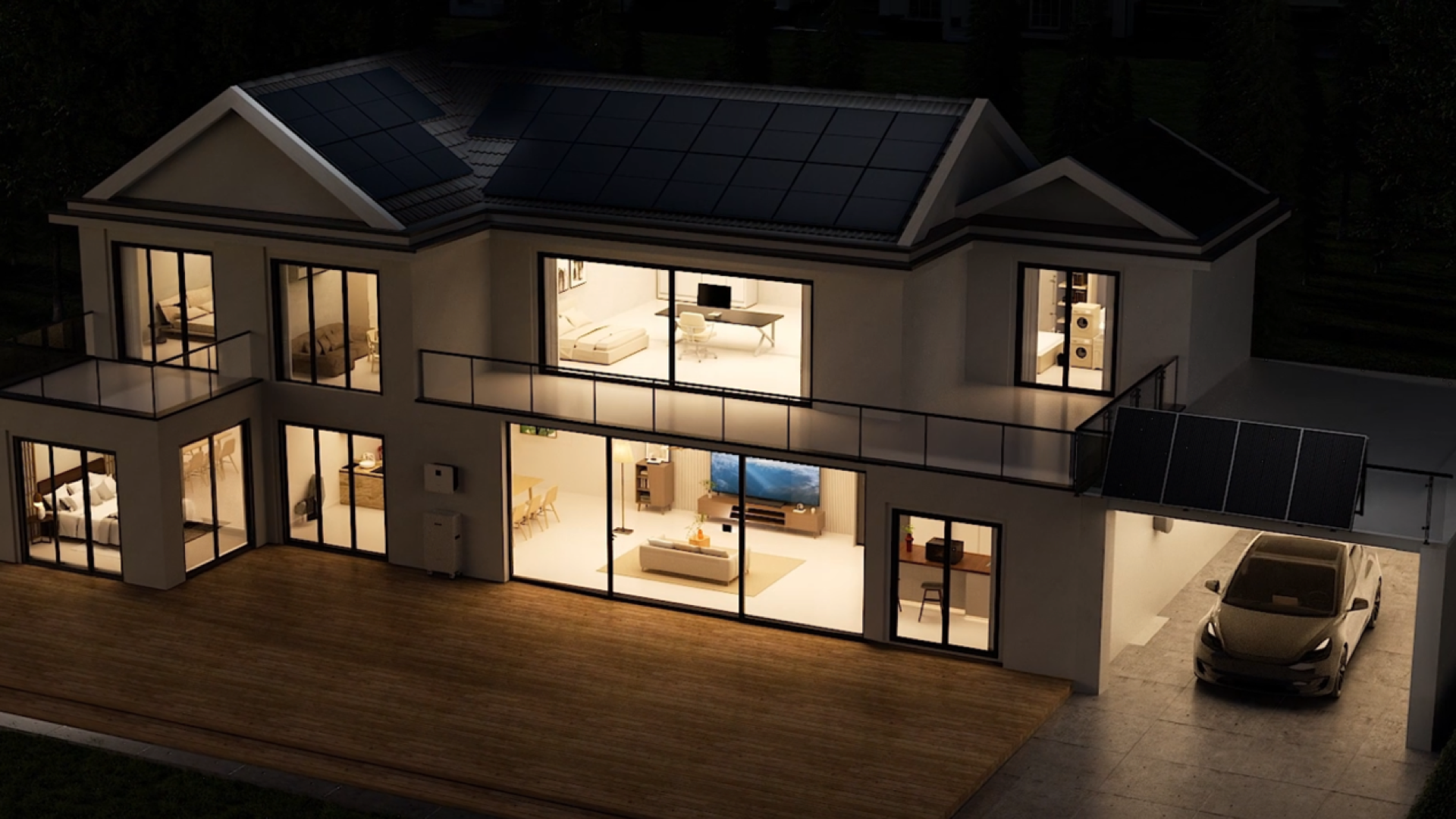
Figure 3.
Sungrow MGTL backup continuity and seamless on/off-grid switching.
440A Rapid Charge and Discharge
Maximum battery charge/discharge current is model-specific: up to 330 A for MG10TL, MG12TL and MG15TL, and up to 440 A for MG20TL and MG25TL. Faster charging can help restore backup reserves between outages. Sungrow’s approximately 1.8-hour claim for reaching 90% state of charge is a configuration-dependent product figure, not a charging-time promise for every model or battery size. MGTL is designed to pair with compatible MBL120 and MBL160 low-voltage batteries; the supplied MG10/15TL product package identifies MBL160-PF.
200% Unbalanced Load Capability
For uneven phase loads, the published unbalanced-load figures are 200% for MG10TL, 180% for MG12TL and 150% for MG15TL. This helps serve homes and businesses whose
equipment is distributed unevenly across three phases. The published AC overload capacity of up to 200% for 10 seconds adds short-duration headroom for motor startup; installers must still check each phase limit and the actual starting demand of compressors and pumps.
Robust Power, Real Savings
20A String Input Current
The published 20 A string input current supports matching MGTL with suitable high-current PV modules. Panel selection must also satisfy the model’s voltage, short-circuit
current and string configuration limits.
250% PV Oversizing
MGTL advertises PV oversizing of up to 250%, allowing an appropriately designed array to capture more energy during lower-irradiance periods. The permitted array size is model-specific and must be checked alongside MPPT, voltage and current limits. More panel capacity does not guarantee a full battery on a cloudy day.
Patented PID Zero
Sungrow’s patented PID Zero technology addresses potential-induced degradation to help preserve PV module performance over time. Its role is long-term yield protection, complementing the PV input design rather than increasing the energy stored in a battery during an outage.
Robust Use, Pure Joy
35 dB(A) on MG10/12/15TL
The MG10TL, MG12TL and MG15TL use a fanless design and have a published noise level as low as 35 dB(A), supporting quieter residential installations. The published noise level for MG20TL and MG25TL is 45 dB(A). The final mounting location should follow the installation manual, including clearance and environmental requirements.
4.3 Inch Touchscreen
A 4.3-inch touchscreen supports local status checks and settings. It gives the user a direct view of the system without relying solely on a phone.
Robust Safety, Carefree Power
IP66 & C5 Protection
IP66 ingress protection and C5 corrosion protection support installation in demanding environments, including humid or coastal locations. These ratings do not remove the need to follow mounting, ventilation and maintenance requirements.
AFCI 3.0R Arc-fault Detection
AFCI 3.0R provides DC arc-fault detection, with published detection coverage of 200 m at 40 A. Its role is to identify hazardous arc conditions and trigger the relevant protective response.
Dual Pressure-Relief
The compatible battery system incorporates a dual pressure-relief design to manage overpressure. Sungrow’s supplied technical material describes a 4.6% propane-air explosion test in which the structure remained intact without fragment ejection; that result describes the stated test conditions, not a guarantee against every battery incident.
Easy O&M
iSolarCloud Monitoring and Remote Support
The iSolarCloud app lets an owner review generation, consumption and battery state.
With the required connectivity and access permissions, installers can use remote monitoring to investigate operating issues and plan service. In an outage-prone location, checking battery state and system alerts helps keep backup readiness visible.
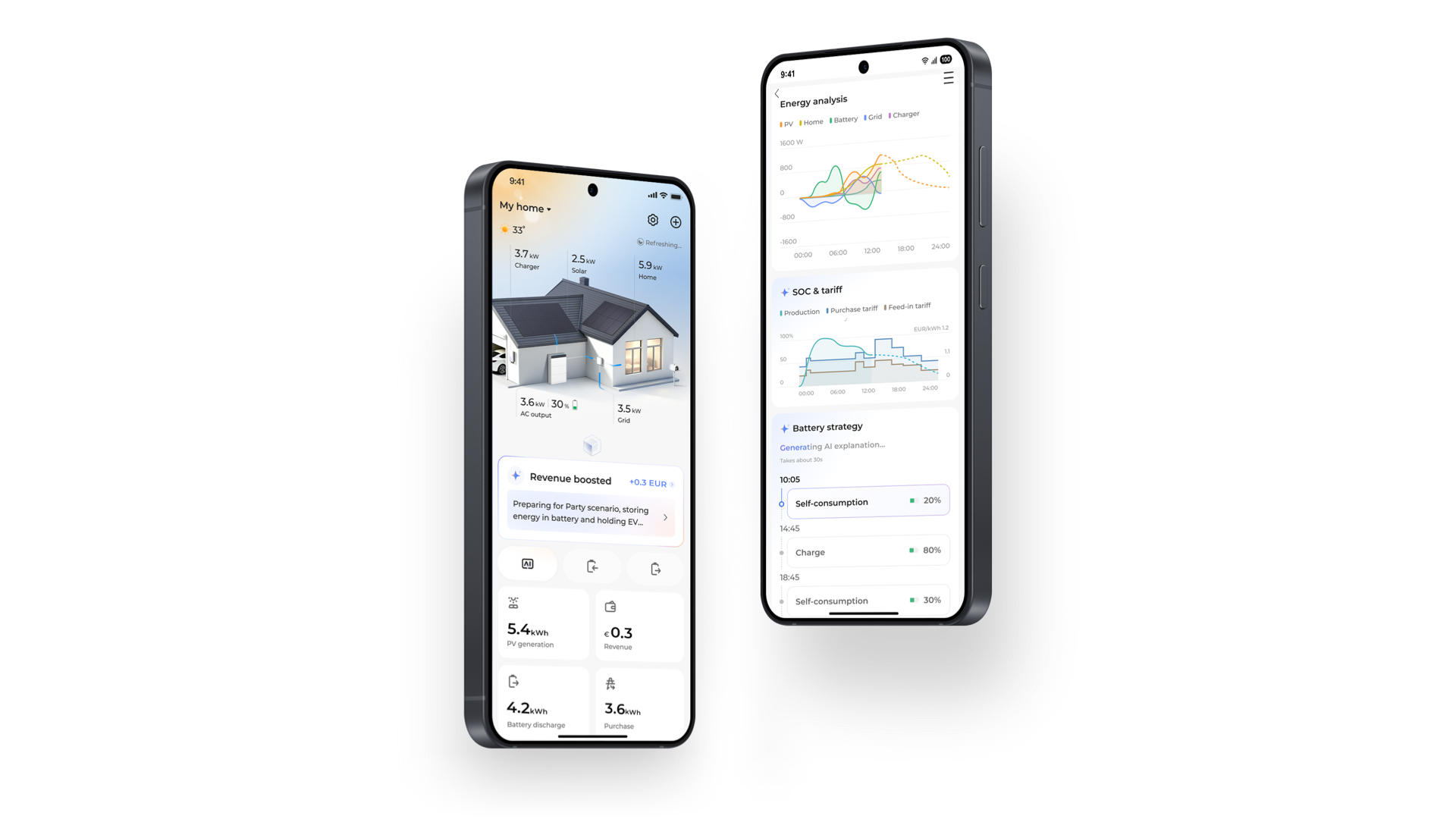
Figure 4.
iSolarCloud mobile monitoring for a PV and battery system.
Who Is the MGTL For?
The MGTL is a good fit for:
Three-phase households with heavy or uneven loads — central air conditioning, water pumps, EV chargers, pool equipment
Small commercial premises where an outage is a direct revenue loss: restaurants, guesthouses, convenience stores, clinics, small workshops
Properties in outage-prone districts, including remote islands and coastal areas where grid quality is poor year-round
Owners planning to expand — battery capacity can be added, and two inverters can be paralleled
It is not the right choice for a small single-phase home with modest loads. For those properties the single-phase Sungrow MGRL series (5–10 kW) is the better-matched product.
Availability
The MGTL series was launched on 7 September 2026 in Da Nang, Vietnam, and is being introduced across Southeast Asia, Africa and Latin America. The system carries a warranty of up to 10 years.
Full specifications and documentation for the MG10~25TL range are published on the Sungrow MGTL product page. Pricing, model availability and installation details are handled by local Sungrow offices and certified installers; you can find a Sungrow distributor for your market. Installation should always be carried out by a qualified professional, and the operating voltage must match the unit nameplate.
Frequently Asked Questions
What is the Sungrow MGTL?
The Sungrow MGTL is a three-phase hybrid inverter designed for compatible low-voltage battery storage in residential and small commercial systems. The MG10~25TL range covers 10–25 kW of rated AC output. It manages PV energy, battery charging and discharging, and connected backup loads.
When did Sungrow launch the MGTL?
Sungrow launched the MGTL series on 7 September 2026 at an event in Da Nang, Vietnam, under the tagline "Scale Up, Power On."
How fast does the MGTL switch to battery during an outage?
MGTL specifies 0 ms on/off-grid switching. This supports continuity for loads on the backup circuits when the battery is available and the load stays within the system’s ratings. Transfer speed alone does not determine how many appliances can run or how long backup lasts.
How long can MGTL keep essential loads running?
Backup duration depends on usable battery energy, the starting state of charge,
reserve and shutdown settings, and the connected load. As an illustration, 12 kWh of usable energy serving a steady 3 kW load corresponds to about four hours before conversion losses. This is a sizing example, not a runtime specification for an MGTL package.
Can MGTL start air conditioners and water pumps during a blackout?
The published AC overload capacity of up to 200% for 10 seconds and model-specific
unbalanced-load capability help support motor startup. The installer must check starting current, simultaneous loads, per-phase limits and battery output before selecting the backup circuits.
Does MGTL back up the whole property?
It can only supply the circuits included in the backup design. Whole-property backup
requires the combined and per-phase loads to stay within the inverter, battery and wiring ratings. Prioritising refrigeration, lighting, communications and other essentials can extend useful backup time.
How quickly can MGTL recharge between outages?
MG10TL, MG12TL and MG15TL support up to 330 A battery charge/discharge current; MG20TL and MG25TL support up to 440 A. Actual recovery time depends on battery capacity and limits, starting charge, available PV or permitted grid charging, and loads running at the same time.
How much does the Sungrow MGTL cost?
Sungrow does not publish a list price. The installed cost depends on the power rating
chosen, battery capacity, PV array size and local installation conditions, so quotations come from local Sungrow distributors and certified installers.
Which batteries work with the MGTL?
The MGTL is designed to pair with Sungrow's MBL120 and MBL160 low-voltage lithium iron phosphate batteries; the MG10/15TL package ships with the MBL160-PF. Battery
capacity can be expanded as household or business demand grows. MGTL can also
expand the range of third-party battery solutions.
What warranty does the MGTL come with?
Sungrow offers a warranty of up to 10 years on the MGTL system. Exact terms vary by market and are confirmed by the local Sungrow office or distributor.